What To Bring On A Blue Cave Boat Trip
Packing for a Blue Cave boat trip comes down to one question first: which Blue Cave? The Biševo cave near Vis forbids swimming inside, while the Dubrovnik-area cave on Koločep is a swim-in cave. Here is what to bring for either, and for the long Split and Hvar day trips in between.
Short answer
Bring swimwear for the swimming stops, a towel, reef-safe sunscreen, a hat, sunglasses, water, light layers for the wind on deck and dry shoes. At the Biševo Blue Cave the ticket, about €18 to €24 for adults by season, is paid separately on most tours, so carry a payment method. Swimming inside the Biševo cave itself is forbidden.
This page is part of the logistics series. For the wider picture of how the day runs, start with how a Biševo Blue Cave visit actually works.
Quick Facts
| Item | Detail |
|---|---|
| Biševo cave ticket | About €18 to €24 for adults, season dependent; child 6 to 12 about €9 to €12; under 6 free; includes the Visitor Centre exhibition |
| How the ticket is paid | Separately from most tour prices, on site at Mezuporat or at the concession centre in Komiža |
| Swimming inside the Biševo cave | Forbidden (swimming, bathing and diving) |
| Swimming at the Dubrovnik-area cave | The listed tours swim in; no entry ticket charged by those tours |
| Cave size | 10 to 12 m wide, 24 m long; entrance 1.5 m high and 2.4 m wide |
| Distance from Komiža | 4.5 nautical miles (8.3 km) |
| Typical day-trip length from Split or Hvar | 7 to 12 hours, whole-tour, per the tour booked |
| Season | Roughly April to October |
| Best light in the cave | Generally 10:00 to 14:00, season dependent |
What Should You Pack For A Blue Cave Tour?
Pack a small soft bag with swimwear, a quick-dry towel, reef-safe sunscreen, a hat with a brim, sunglasses, a refillable water bottle, a light windproof layer, dry shoes or sandals, and a payment method for the cave ticket. If your trip is one of the long Split or Hvar days, 7 to 12 hours on the water, add a spare dry shirt. Leave valuables, hard suitcases and glass at your accommodation.
The single most useful thing to understand before you pack is that "Blue Cave" names two different caves in Croatia, and they put different things in your bag. The famous one is Modra špilja on the east side of Biševo island, in Balun bay, 4.5 nautical miles (8.3 km) from Komiža, per the official Komiža tourist board page. It sits 10 to 12 m wide and 24 m long behind an entrance only 1.5 m high and 2.4 m wide, which is why everyone transfers into the concession's small boats at Mezuporat cove for the roughly 40 minute round trip. The other is the Dubrovnik-area Blue Cave on Koločep in the Elaphiti islands, a swim-in sea cave that the Dubrovnik boat tours visit on short 4 hour runs.
For the Biševo cave, the practical consequences for your bag are these. Swimming, bathing and diving inside are forbidden under the cave's code of conduct, so you do not need goggles or a snorkel for the cave itself. You stay in the small boat. Your swimwear is for the swimming stops that most day trips build in elsewhere, at beaches and lagoons on Hvar, the Pakleni islands or Vis. And you need a way to pay the entry ticket, about €18 to €24 for adults depending on season, which is charged separately from the tour price on most trips.
For the Dubrovnik-area cave, the bag is simpler and the swimming gear matters more. Tours there run about 4 hours, swim into the cave itself and charge no separate entry fee. So the same three items, swimwear, towel and water cover both caves, but the weight shifts: from Dubrovnik you are packing for a swim; from Split, Trogir, Hvar, Brač or Vis you are packing for a full day at sea with a swim somewhere in the middle.
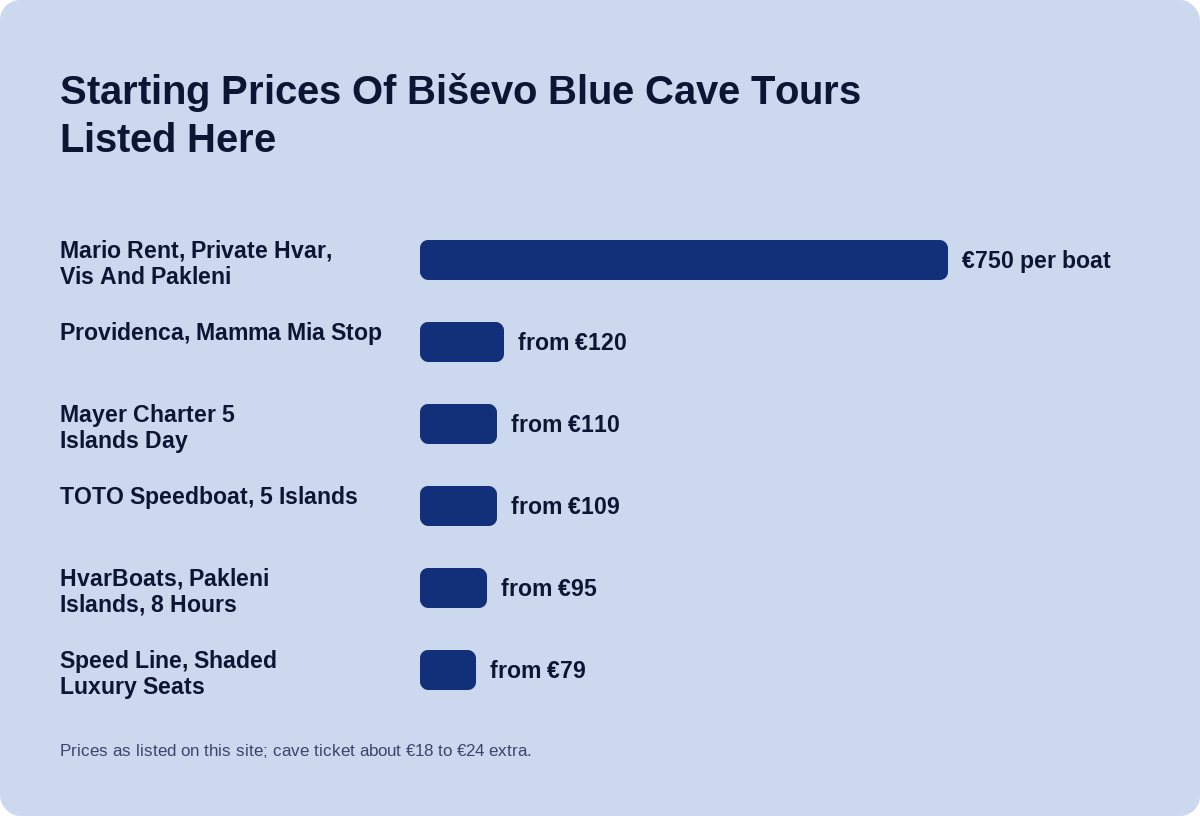
Which trips are we talking about? From Split or Trogir, the guided group options include Mayer Charter's "Mayer Charter 5 Islands Day" (from €110 per person, 4.9 across 6,711 reviews, 10 to 11 hours), TOTO TRAVEL's "TOTO Speedboat, 5 Islands" (from €109, 4.9 across 3,414 reviews) and Providenca's "Mamma Mia Stop, 10-12 Hours" (from €120, 4.8 across 8,983 reviews). From Hvar, Kabina Boats runs the "Vis Island Stop, 7-8 Hours" (from €100, 4.9 across 1,135 reviews). From Dubrovnik, Dubrovnik Islands Tours runs the "Small Group, Sunj Beach, 4 Hours" (from €70, 4.9 across 13,342 reviews), the most reviewed trip covered on Blue Cave Tour Croatia. All of these are guided group tours; each operator sets its own inclusions, so treat every packing suggestion on this page as planning advice rather than an operator rule.
What Should You Wear On The Boat?
Wear swimwear under light, quick-dry clothes, with sandals or deck shoes you can slip off, a hat and sunglasses. The wind on an open speedboat is the under-rated part of the day: a light windproof layer keeps the crossings comfortable even in high summer, and a dry spare shirt fixes the wet-swim-then-wind problem. Cotton stays damp; synthetic layers do not.
The rhythm of a Split five-islands day explains the clothing logic. You are out for 10 to 12 hours. You cross open water, stop at the cave transfer at Mezuporat, swim at one or more beach or lagoon stops, get lunch in a town such as Hvar or Komiža's neighbours on Vis, then cross back. That means your body cycles through hot sun, cool wind, salt water and shade several times in one day. The people who are comfortable are the ones dressed in layers they can add and shed with one hand while holding a rail.
Shoes deserve a paragraph of their own. Deck surfaces get wet, and most skippers prefer shoes off or soft-soled shoes aboard. Sandals with a heel strap, water shoes or barefoot-friendly deck shoes all work. Heavy hiking boots do not, and heels have no place on a moving boat. If you plan to walk around Hvar town or Vis during the lunch stop, something with a sole beats flip-flops, but anything you bring should be able to survive a splash.
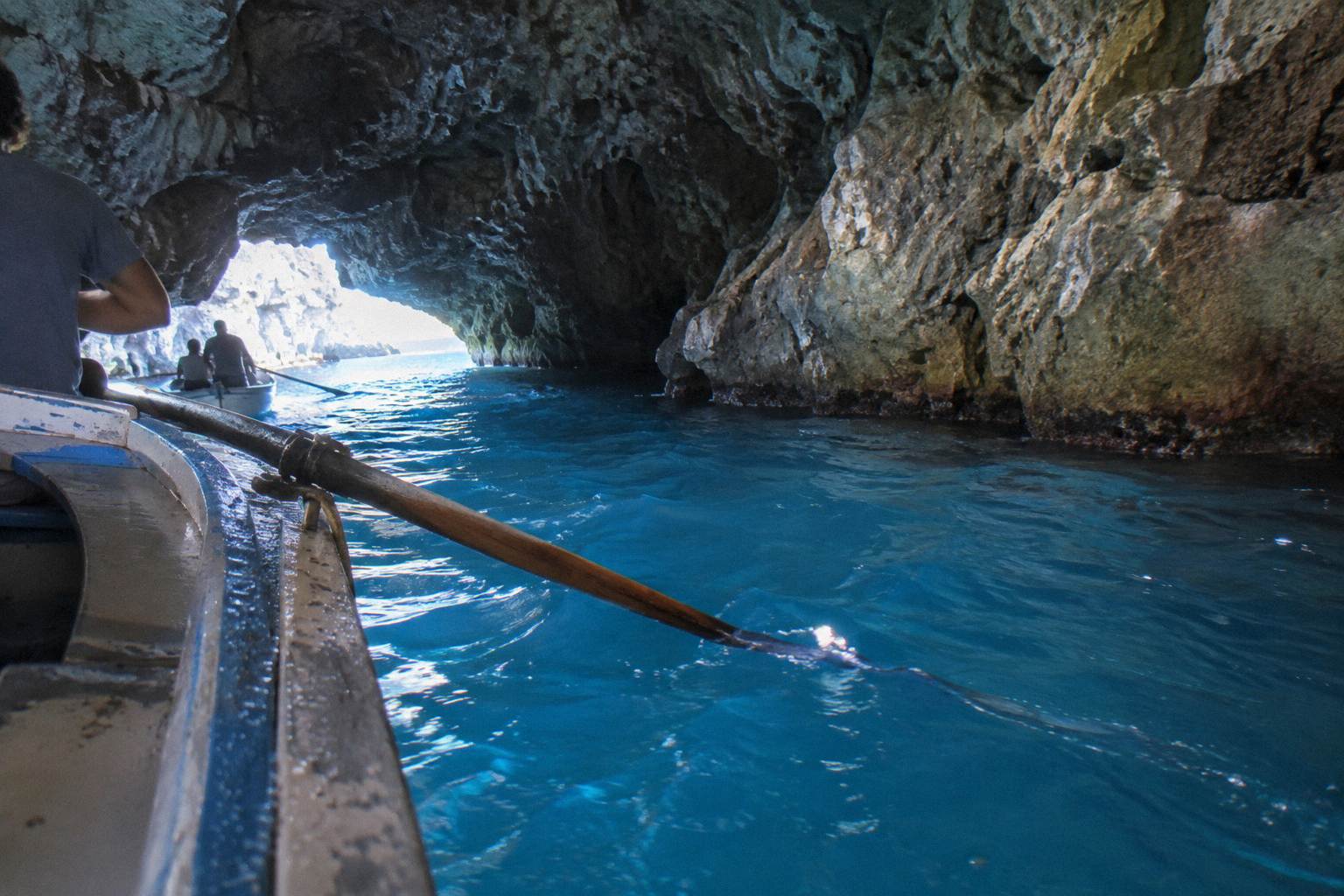
For the cave transfer itself, dress as you are. The concession's small boats take you through the low entrance, 1.5 m high, for the roughly 40 minute round trip from Mezuporat. You stay seated in the boat and you do not get wet beyond spray. A light layer helps because the cave interior and the waiting time on the water can feel cooler than the beach, but no special clothing is needed. If you want the mechanics of the transfer spelled out, the guide to the Mezuporat transfer and the cave boat covers it step by step.
A note on storage: soft bags beat hard ones on small boats, where stowage is a bench locker or a dry area up front. A 20 to 30 litre foldable daypack holds everything on this list with room for the towel. If your tour is one of the private options, such as Mario Rent's "Private Hvar, Vis And Pakleni" (from €750 per boat, 4.9 across 174 reviews), you will have more room per person, but the same bag still works.
Between those three, the packing differences are small but real. Speed Line's "Shaded Luxury Seats" (from €79 per person, 5 across 673 reviews, 10 hours 30 minutes) puts you under shade for the crossings, which changes how much sun cover you need to carry. TOTO's speedboat and Mayer Charter's day follow the classic open-deck pattern. Either way, the layers list above holds.
Do You Need Swimwear For The Blue Cave?
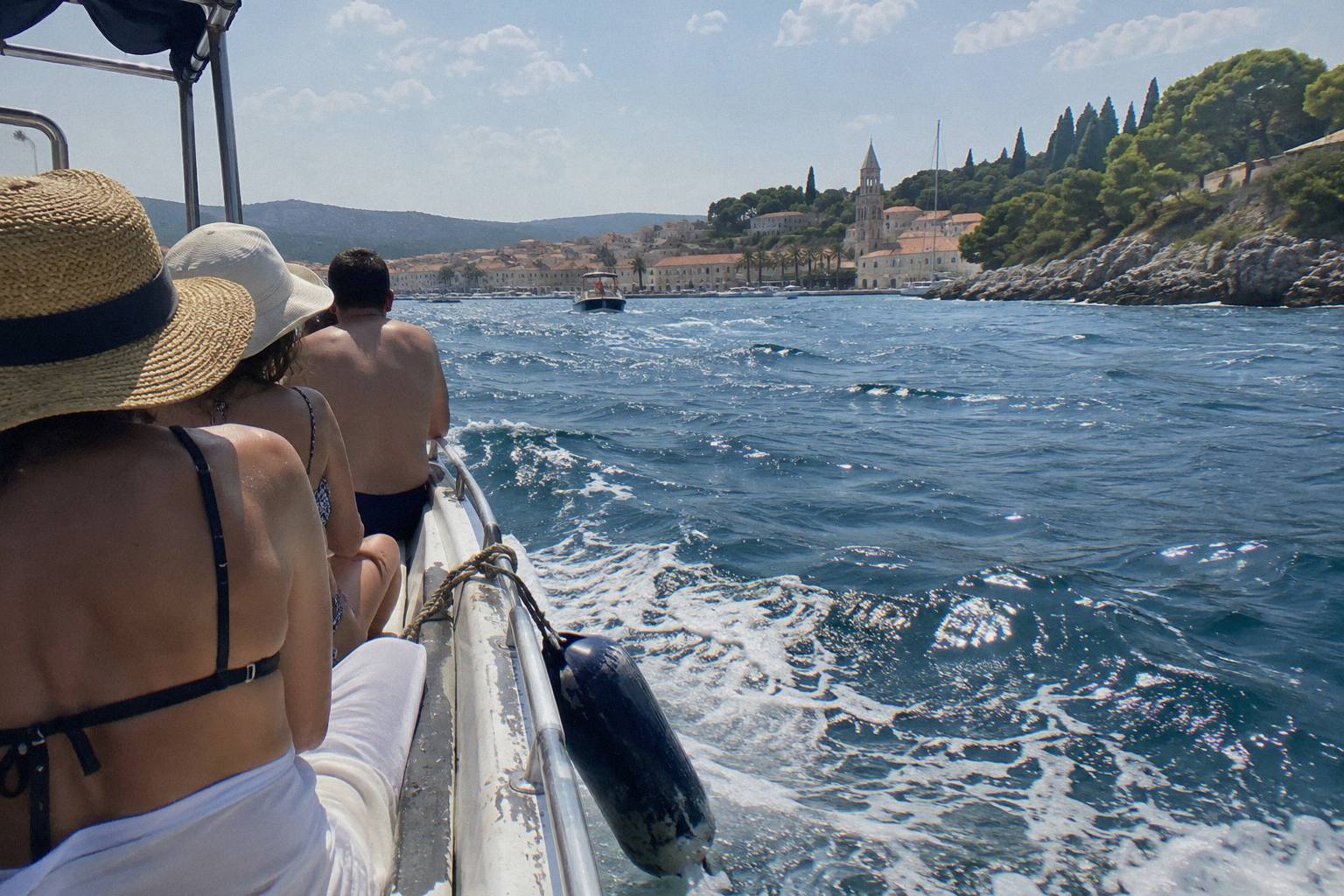
Yes for the day, no for the Biševo cave itself. Swimming, bathing and diving inside the Biševo Blue Cave are forbidden, and the small cave boat keeps you dry, so your swimwear is for the beach and lagoon stops on the itinerary. At the Dubrovnik-area Blue Cave on Koločep it is the reverse: the listed tours swim into the cave, so swimwear is the whole point. Bring it either way, plus a towel.
This is the mistake that ruins days. Someone reads "Blue Cave, swim-in" in a Dubrovnik context, books a ten hour Split trip to Biševo, and arrives without a towel for the beach stops, or worse, expects to swim into the cave. The two caves are 150 kilometres apart and follow opposite rules. On Biševo, the water inside the cave is protected and off-limits; you see it from the boat. On Koločep, the boats stop outside and everyone jumps in.
Where does the swimming happen on a Biševo day trip then? On the stops. The five-islands itineraries from Split and Trogir typically build in beach or lagoon time among the stops on Hvar, Vis, the Pakleni islands and Ravnik, and the cave visit is one scheduled slot within the day. Hvar-departing trips do the same in a tighter window: HvarBoats' "Pakleni Islands, 8 Hours" (from €95, 4.9 across 670 reviews) names its swim stops in the title, and Mario Rent's "Swimming And Snorkelling" (from €98, 4.9 across 278 reviews, 8 hours from Hvar) is built around them. Inclusions vary operator by operator, so check what your booking page lists for snorkel gear before deciding whether to bring your own.
From Dubrovnik, the swim is the headline. Dubrovnik Islands Tours' "Small Group, Sunj Beach, 4 Hours" pairs the Koločep cave swim with a stop at Sunj beach on Lopud, and MARINERO's "Snorkeling Stop, Sunj Beach" (from €60, 4.9 across 504 reviews) does the same with snorkelling in the name. DUBROVNIK BOAT TRIPS' "Green Cave, Sunj Beach" (from €65, 4.9 across 474 reviews) adds a second cave. All are 4 hour group tours with swim-in access and no entry ticket charged.
So the swim kit list is: swimsuit or trunks worn under your clothes, a quick-dry towel (a compact one, not a beach towel), and optionally your own mask and snorkel if your tour's inclusions leave that to you. Water shoes help on the pebble beaches of the Elaphiti and Pakleni islands. Goggles for the cave itself: unnecessary on Biševo, where you never enter the water.
Not sure yet which trip fits your day?
The "Mayer Charter 5 Islands Day" is the trip this site compares most often for first-time visitors from Split or Trogir: from €110 per person, 4.9 across 6,711 reviews, 10 to 11 hours, free cancellation with a 24 hour window. You can check availability once your dates are set, and the packing list above is exactly what a day like that requires.
How Do You Pay The Cave Ticket On The Day?
The Biševo cave ticket, about €18 to €24 for adults depending on season, is charged separately from the tour price on most trips. Pay on site at Mezuporat or at the concession centre in Komiža, and carry both a card and some cash as a fallback. Children 6 to 12 pay about €9 to €12; under 6s enter free. The ticket includes the multimedia exhibition at the Visitor Centre on Biševo.
The Dubrovnik-area cave has no entry ticket on the listed tours, so the whole payment question only applies to Biševo trips.
Thirty-eight of the trips covered on this site visit the Biševo cave, and every one of them carries the cave ticket as an extra. That is the default, not the exception, so budget for it and, more to the point for a packing article, carry a way to pay it. The high season window (20 June to 10 September) prices adults at €24 and children 6 to 12 at €12; either side of that, from 1 April and through 31 October, adults pay €18 and children €9. Under 6s are free at any time. Full mechanics live in the dedicated guide to the Blue Cave entrance fee and ticket price.
The payment practicalities are simple. You pay on site at Mezuporat, where the large boats stop before the small-boat transfer, or at the concession's centre in Komiža. Whether a given desk takes card, cash or both on a given day is not something to gamble a cave visit on, so carry both. A small amount of cash in euros plus a card covers every combination. Croatia uses the euro, so there is no currency question to solve.
What about the rest of the day's spending? Lunch is a similar story: some itineraries include food, many leave the lunch stop to you. Waterworld Croatia's "Lunch And Wine Tasting" (from €147, 4.5 across 417 reviews) and Šugaman's "Free Wine Tasting, 5 Islands" (from €125, 4.5 across 608 reviews) name food or drink inclusions in their titles; most others do not, and the booking page for your specific tour is the only reliable source for what is included. Carry enough for lunch and a drink in Hvar town or wherever your stop lands.
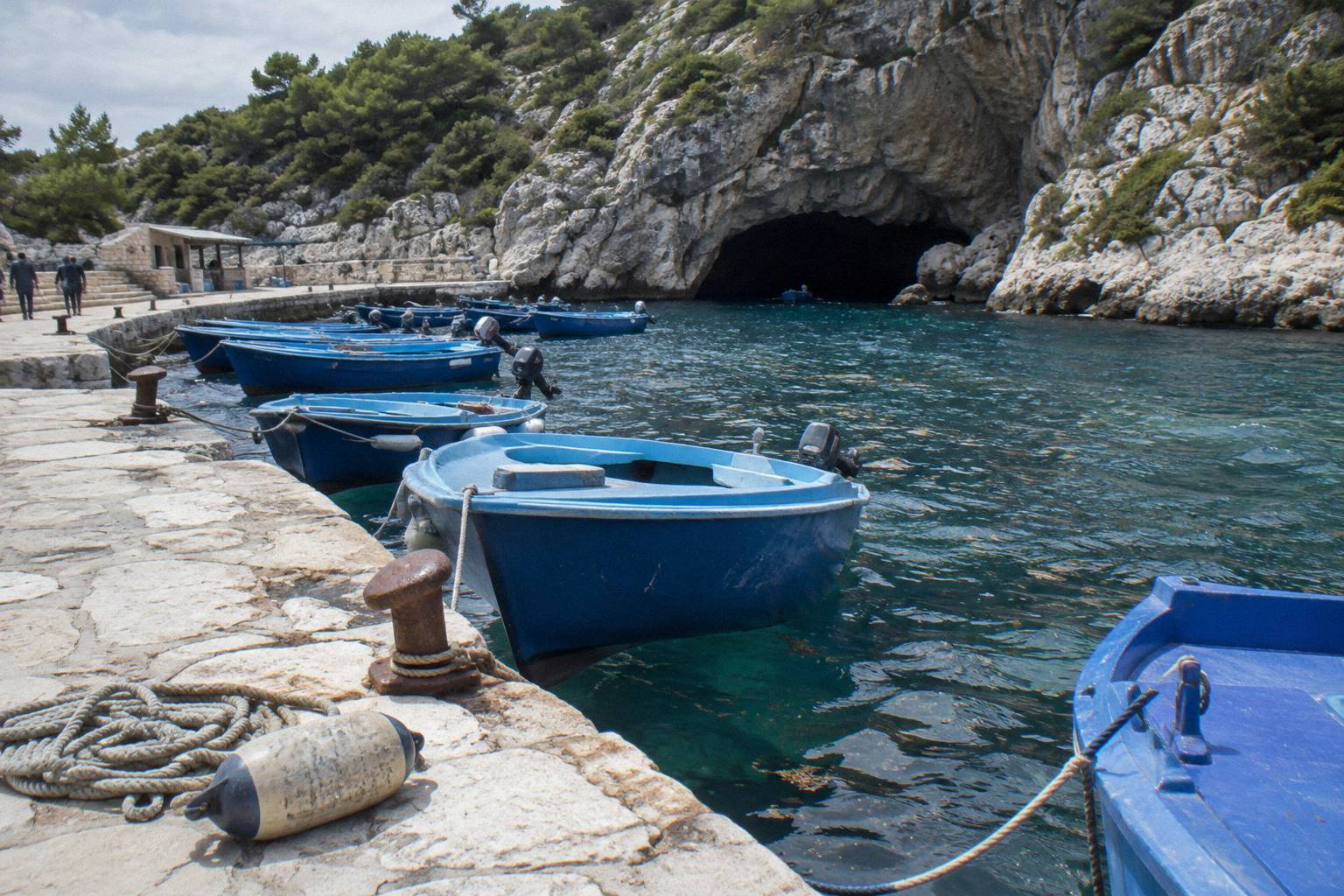
| Cave cost item | Biševo Blue Cave (Modra špilja) | Dubrovnik-area Blue Cave (Koločep) |
|---|---|---|
| Entry ticket | About €18 to €24 adult, season dependent | None charged by the listed tours |
| Child ticket | About €9 to €12 (6 to 12); under 6 free | Not applicable |
| Included with ticket | Visitor Centre multimedia exhibition | Not applicable |
| Where paid | On site at Mezuporat or the concession centre in Komiža | Not applicable |
| Paid with the tour? | No, extra on most tours | No ticket exists |
If your day departs from Hvar, the same ticket logic applies on every Biševo trip: Gajeta Agency's "Gajeta 5 Islands From Hvar" (from €95, 4.7 across 246 reviews), Navis Tours' "Blue Cave, Blue Lagoon, Pakleni Islands" trip (from €99, 4.7 across 68 reviews) and the rest all carry the ticket as an extra. From Vis itself, NEMO's "From Vis, Shared Speedboat" (6.5 hours, 5 across 180 reviews) is the shortest Biševo approach on this site, and the ticket is still separate.
The Kabina Boats Hvar departure above is a good example of a trip where the only cash question of the day is that one ticket: a 7 to 8 hour guided group day from Hvar with the cave as its anchor stop.
What Sun And Sea Protection Do You Actually Need?
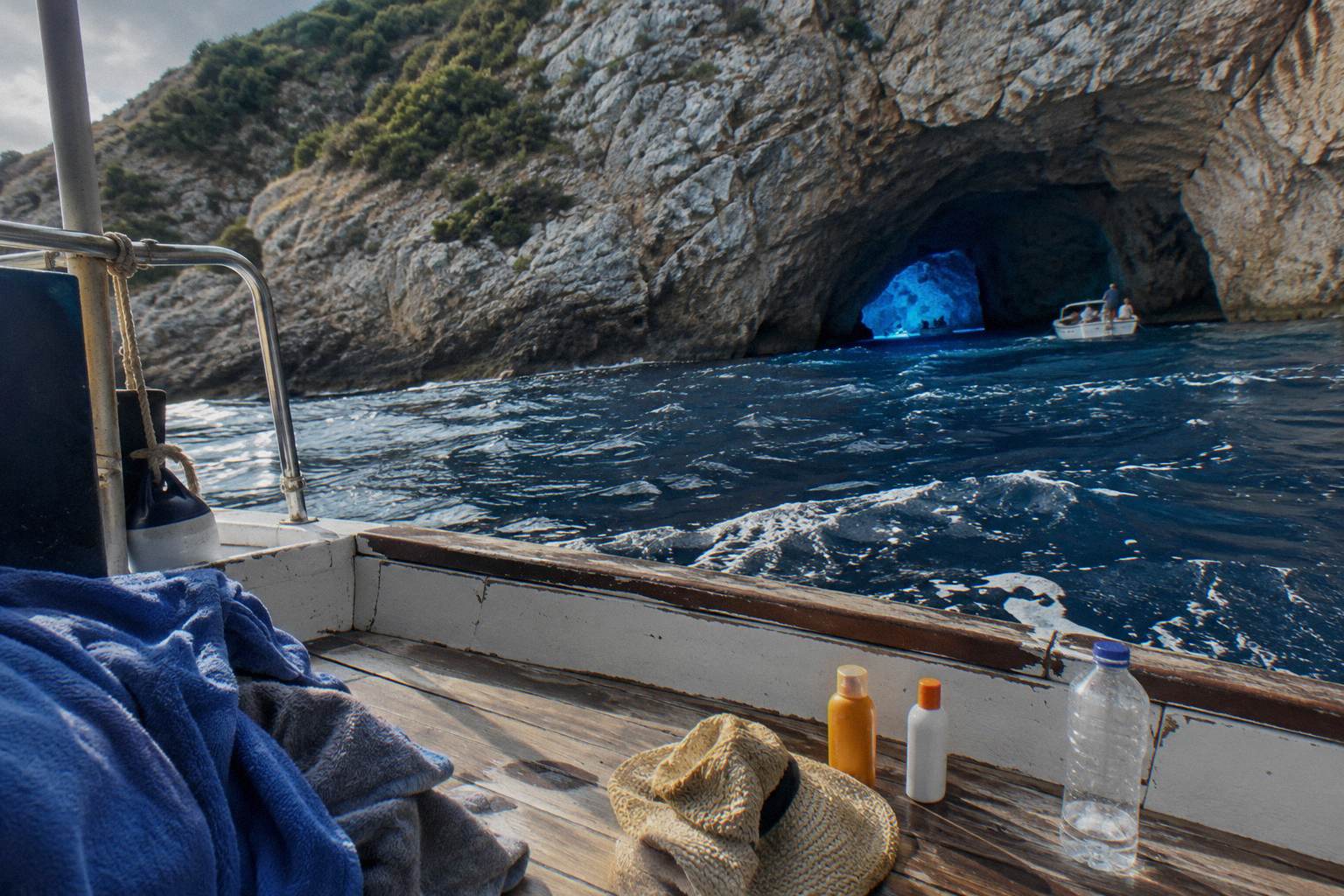
Reef-safe sunscreen (SPF 30 or higher), applied before boarding and reapplied at lunch, plus a brimmed hat that grips, polarised sunglasses with a retainer cord, and a refillable water bottle of a litre or more. A light long-sleeve layer doubles as sun cover on the crossings and wind cover after a swim. A dry bag or zip pouch keeps phone and money splash-safe.
Ten to twelve hours on an open boat is more sun than most people account for. The reflections off the water add to the direct exposure, and the wind masks it: you do not feel the burn building on a fast crossing. Sunscreen belongs in the bag, not in the hotel room, and the middle of the day is when you need it most, which is also when the cave is at its best. The best light inside Modra špilja is generally between 10:00 and 14:00, season dependent, so the sunniest hours of your day are spent around the cave and its waiting boats.
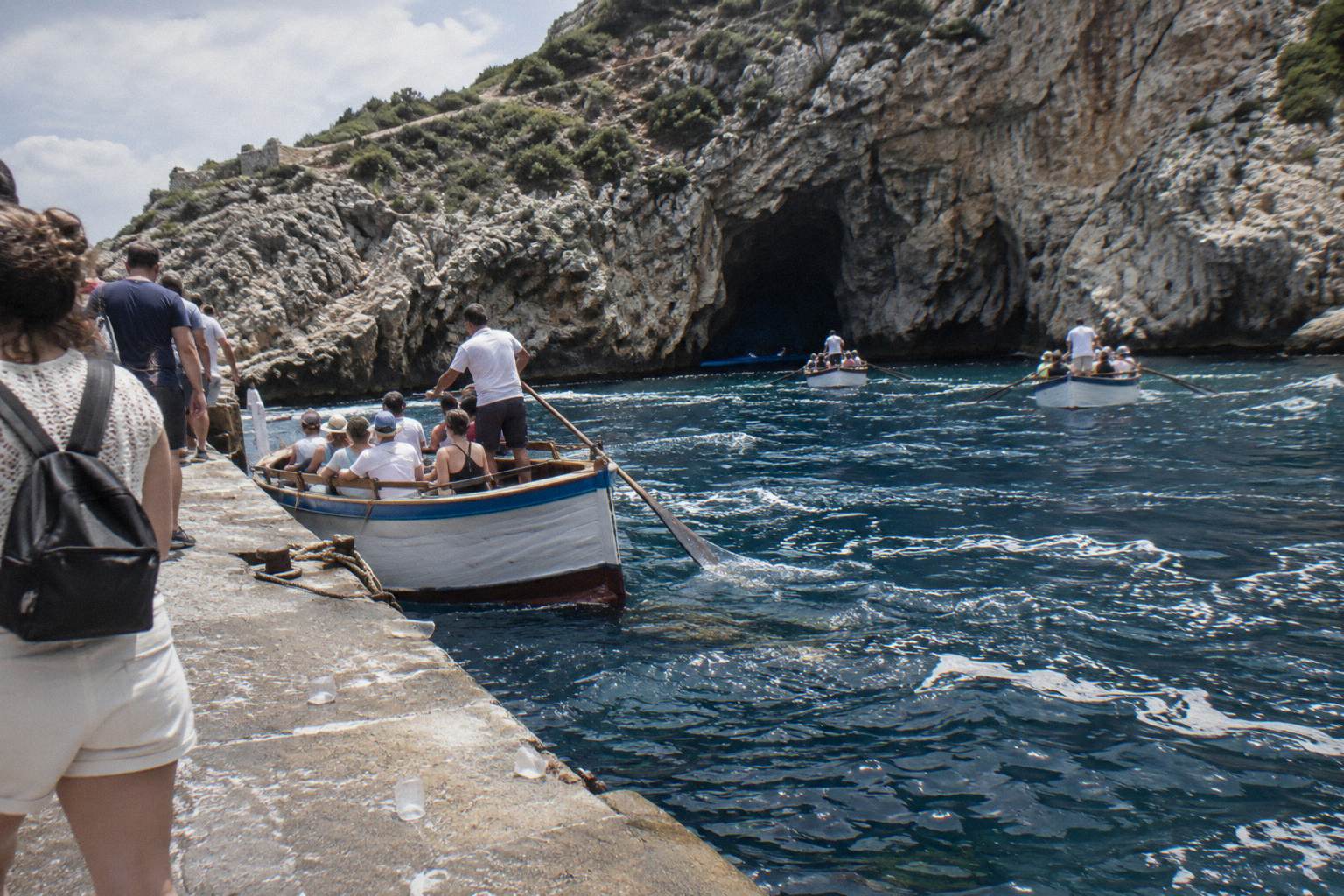
A hat is the item people lose most often. Speedboats move fast, and a loose cap over the side is gone. A brimmed hat with a chin strap or a cord solves it. The same logic applies to sunglasses: a cheap retainer cord turns a likely loss into a non-event. Polarised lenses earn their place on the water, cutting the glare that plain lenses let through.
Water matters more than most day-trippers expect. A litre bottle per person is the floor for a Split day; two is better in July and August. Whether your tour sells drinks aboard is an inclusion question for the booking page, so do not plan around it. Dehydration plus sun plus motion is the classic recipe for a miserable crossing, and the guide to seasickness on the Blue Cave speedboat goes deeper on that whole topic if you are prone to it.
A dry bag or at least a sealed zip pouch rounds out the list. Phones, the payment card for the cave ticket and any paper confirmations all live there. Spray is normal on a moving speedboat even on calm days, and the cave can close in wind and swell entirely, which is a reminder that this is a sea day, not a lake day. For the timing side of the same question, see the best time of year and day to visit the cave.
What Should You Leave Behind On A Blue Cave Trip?
Leave valuables, laptops, hard cases, glass bottles, drones, umbrellas and anything that cannot take a splash. There is no secure storage on a moving speedboat beyond shared stowage, and the cave's protected status rules out anything that disturbs it. A passport is not needed for the trip itself; a photo on your phone and one card cover the realistic requirements of the day.
The cave is a geomorphological monument of nature, reported as protected since 1951, and it sits within the Vis Archipelago, listed as a UNESCO Global Geopark. The cave itself carries no separate UNESCO status, but the protection ethos is real: the code of conduct forbids swimming, bathing and diving inside, and the whole visit runs through one licensed concession operator. Practical translation for your bag: nothing that ends up in the water, nothing dangling over the side, no drone.
Hard luggage is the other common error. Day-trippers sometimes arrive from a checkout with a roller bag because their ferry or flight leaves later. Small speedboats have bench lockers and a dry foredeck area, and a hard case consumes both. Soft bags only; if you are between accommodations, ask your hotel or a luggage office in Split, Trogir, Hvar or Dubrovnik to hold the big bag for the day.
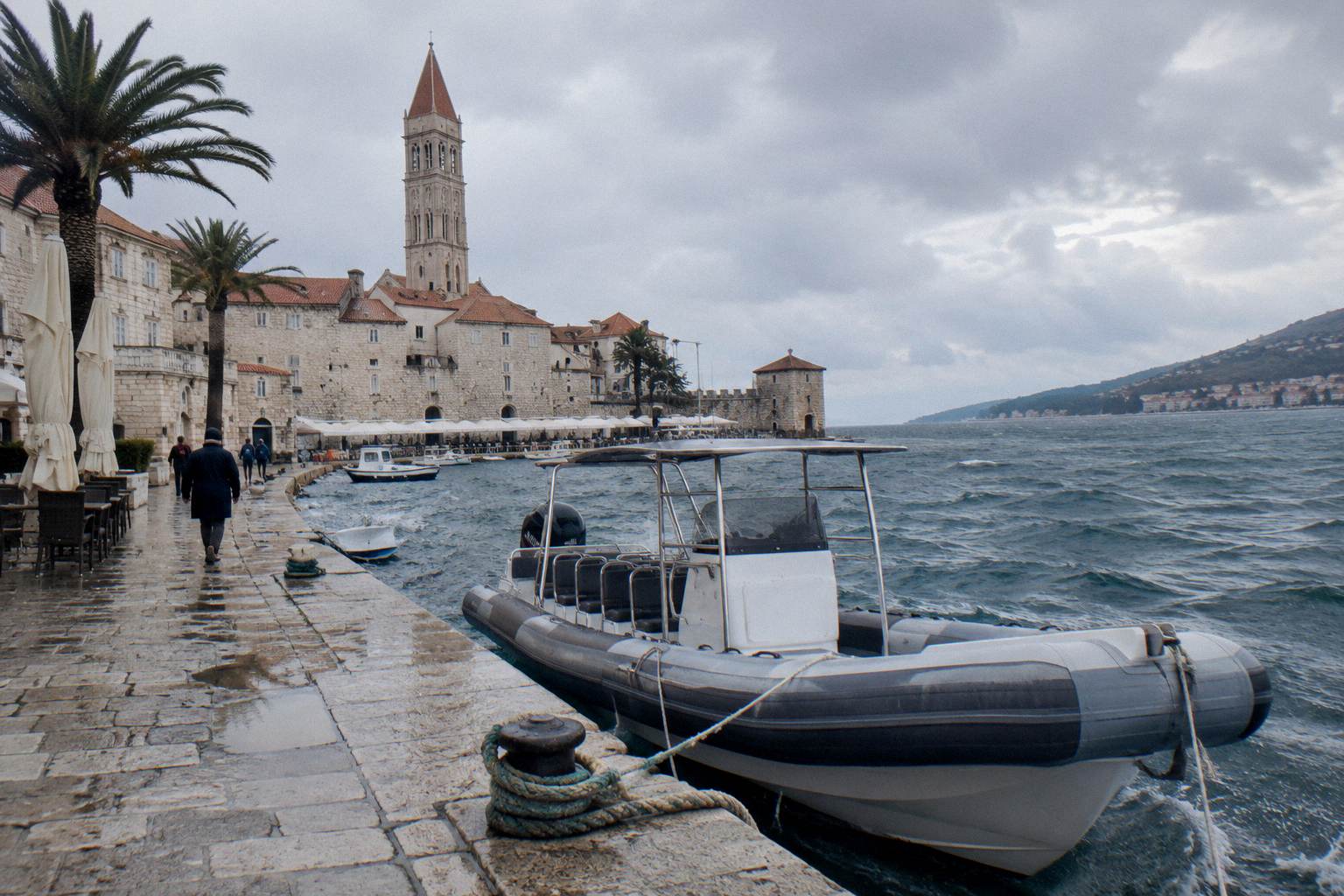
Umbrellas and glass both fail for the same reason: wind and movement. A hat replaces the umbrella. A refillable bottle replaces the glass. Big beach towels stay behind too; a compact quick-dry towel does the job in a tenth of the space.
The packing mistakes that actually cost people, gathered in one place:
| Mistake | Why It Bites | The Fix |
|---|---|---|
| No payment method for the cave ticket | €18 to €24 adult, paid separately on most Biševo tours | Card plus some euro cash in a zip pouch |
| Planning to swim into the Biševo cave | Swimming inside is forbidden | Save the swim for the beach and lagoon stops |
| No towel after the swim stop | Wet clothes plus wind on the crossing home | Compact quick-dry towel, spare shirt |
| Loose hat or glasses | Lost overboard on fast crossings | Chin strap, retainer cord |
| One small water bottle for 10 hours | Dehydration plus sun plus motion | A litre minimum, two in high summer |
| Hard suitcase on a speedboat | No stowage for it | Soft daypack; leave big bags ashore |
| Assuming lunch or drinks are included | Inclusions vary operator by operator | Check the booking page before the day |
If you are weighing whether the whole outing justifies this much preparation, the honest breakdown is in the piece asking is the Blue Cave in Croatia worth it, and the swim rules for both caves get their own treatment in can you swim in the Blue Cave.
That Hvar trip from Mario Rent is the one to study if the swim stops are your priority: an 8 hour guided group day that names swimming and snorkelling in the title, with the Biševo cave visit carried inside it, ticket extra as always.
Does The Tour You Book Change What You Pack?
Only at the edges. Every trip on this site is a sea day needing sun protection, water and layers; what changes is duration and format. Split and Trogir days run 8 to 12 hours and want the full kit plus lunch money; Hvar and Vis departures run 6.5 to 8 hours and fit a lighter bag; Dubrovnik 4 hour trips need little beyond swimwear and a towel. Private tours change the stowage space, not the list.
Duration is the biggest variable. A 12 hour day such as Providenca's "Mamma Mia Stop, 10-12 Hours" (from €120, 4.8 across 8,983 reviews) is a dawn-to-evening commitment: full water, full sun kit, spare shirt, money for lunch. A 6.5 hour Vis departure such as NEMO's shared speedboat is closer to a long morning: the same core items, less of everything. The 4 hour Dubrovnik trips sit at the far end: swimwear, towel, sunscreen, water, done.
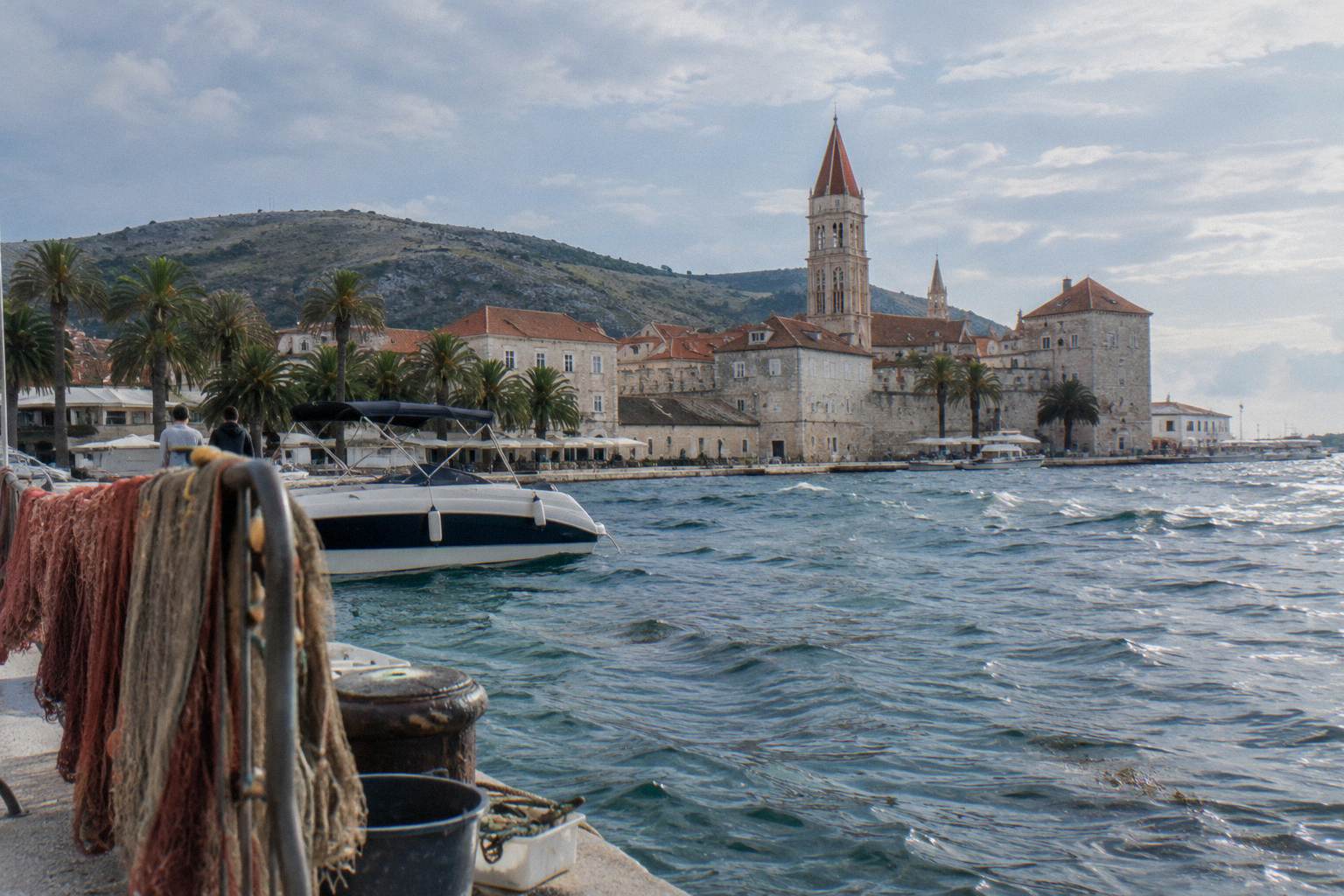
Format shifts the bag only slightly. Private trips such as Providenca's "Private 5 Islands, 10-12 Hours" (from €1,143 per boat, 4.9 across 484 reviews) or Mayer Charter's "Private 5 Islands, 8 Hours" (from €1,150 per boat, 4.9 across 106 reviews) give you more room and more control over the stops, so a bigger soft bag is fine, but nothing new is needed. The one format difference worth packing around is shade: Speed Line's "Shaded Luxury Seats" and Valiant's "Shaded Seats, 10-11 Hours" (from €76, 4.9 across 446 reviews) promise shaded seating, which reduces how much cover-up you carry, though the hat and sunscreen stay on the list regardless.
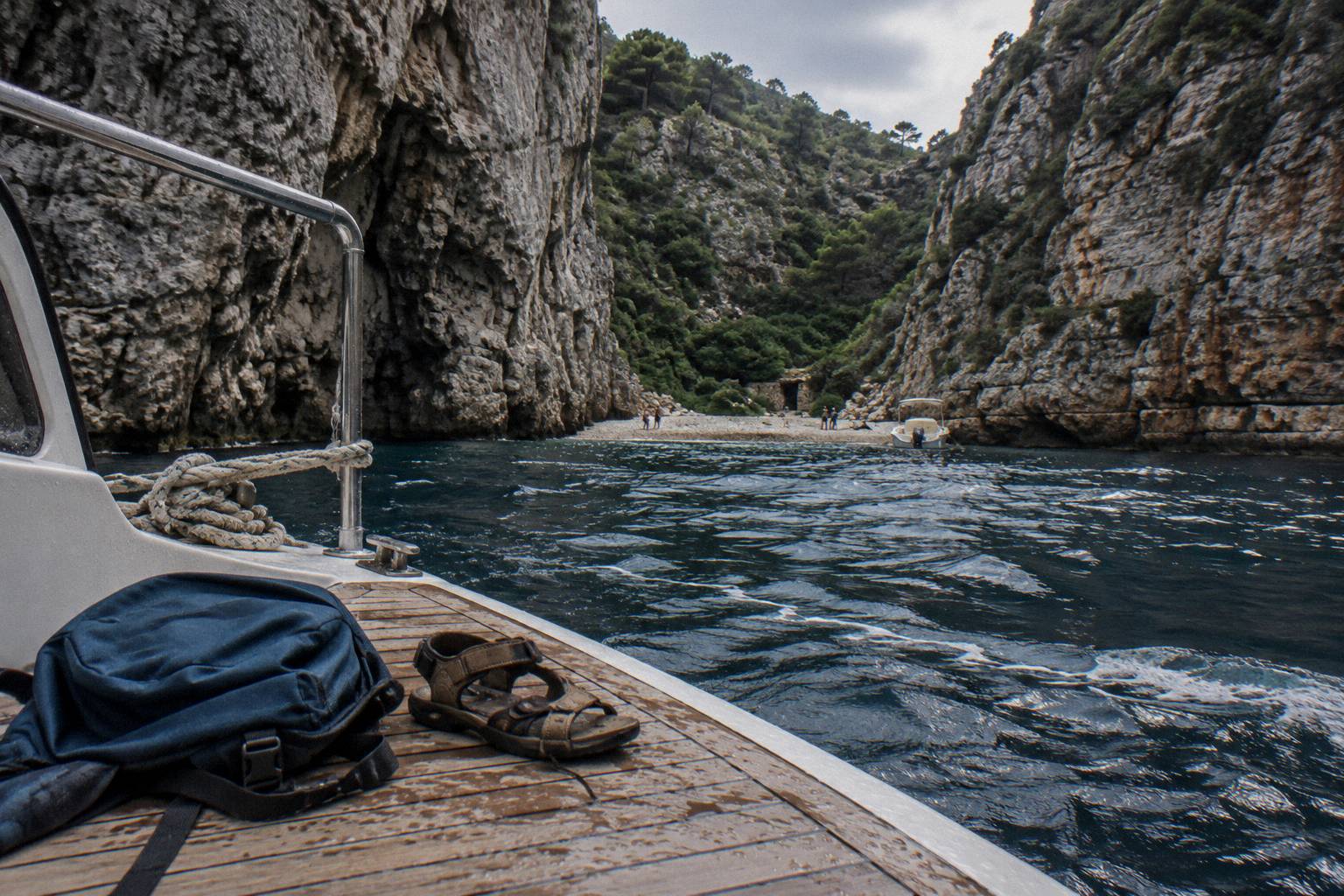
One last planning note on the season itself. The cave is open roughly April to October, and the two ends of that window are different packing problems. April, May, late September and October days want the windproof layer as non-negotiable and the swim as optional; July and August want the opposite emphasis. The cave can close in wind and swell at any time of year, so a flexible attitude belongs on the list too, and what happens when the cave closes for bad weather explains the mechanics.
For readers based in Dubrovnik, that 4 hour small group trip (from €70, 4.9 across 13,342 reviews, free cancellation with a 24 hour window) is the lightest-pack option covered here: swimwear, towel, sunscreen and water cover it completely, with no cave ticket to plan for.
Whichever of the three you lean toward, the bag stays the same: soft daypack, swimwear worn under layers, towel, sun kit, a litre or more of water, and card plus cash for the cave ticket at Mezuporat.
Common Questions About Packing For A Blue Cave Boat Trip
Do I Need Swimwear For The Biševo Blue Cave?
Not for the cave itself: swimming, bathing and diving inside are forbidden and you stay in the small boat. Bring swimwear anyway, because most Split, Hvar and Vis day trips include beach or lagoon swim stops elsewhere on the itinerary. The Dubrovnik-area Blue Cave on Koločep is different: those tours swim in.
How Do I Pay The Cave Ticket?
The Biševo ticket, about €18 to €24 for adults by season, is paid separately from the tour price on most trips, on site at Mezuporat or at the concession centre in Komiža. Carry a card and some euro cash to cover either payment setup.
What Shoes Should I Wear On The Boat?
Sandals with a heel strap, water shoes or soft deck shoes. Decks get wet and skippers generally prefer shoes off or soft-soled aboard. Bring something with a proper sole only if you plan to walk during the lunch stop in Hvar town or on Vis.
Can I Bring A Suitcase On The Speedboat?
No. Small boats have bench lockers and limited dry stowage, so a soft 20 to 30 litre daypack is the right size. If you are between accommodations, leave hard luggage at your hotel or a luggage office and board with the daypack only.
Is A Towel Provided On Blue Cave Tours?
Do not count on it. Inclusions vary operator by operator and no operator packing list is verified beyond the inclusions on each booking page. Pack a compact quick-dry towel for the swim stops; it is one of the cheapest insurance policies for the day.
Do I Need My Passport For The Trip?
No. The cave and all the island stops are inside Croatia, and nothing on the listed tours requires identity documents. A phone with your booking confirmation and a payment card cover the realistic needs of the day.